



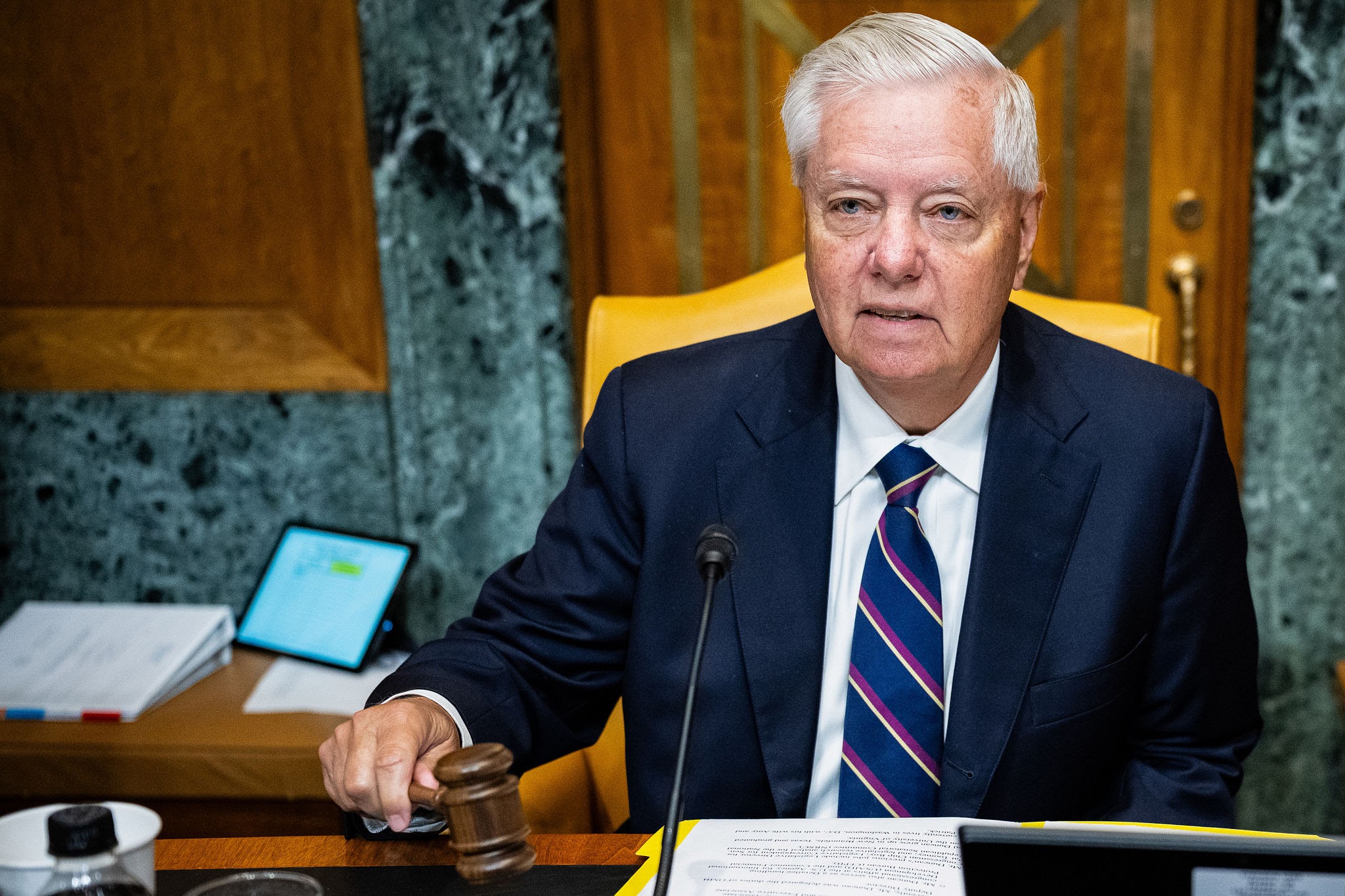
The sudden passing of Sen. Lindsey Graham has set off a fast-moving political process in South Carolina, where state leaders must now determine both an interim appointment and the Republican nominee who will compete in November for the remainder of the Senate term.
Under South Carolina law, Gov. Henry McMaster is responsible for appointing a temporary replacement to serve until early January 2027. Meanwhile, Republican candidates are expected to compete in a special primary to determine who will appear on the November general election ballot.
Several prominent Republicans have already been mentioned as potential contenders, including Rep. Nancy Mace, Rep. Joe Wilson, Rep. Ralph Norman, Lt. Gov. Pamela Evette, and others.
The Republican nominee will face Democrat Annie Andrews in November. While South Carolina has remained a reliably Republican state in federal elections for decades, the vacancy creates one of the highest-profile Senate contests of the 2026 election cycle.
Beyond the immediate political implications, Graham's death leaves a significant opening on key Senate committees and removes one of the Republican Party's most influential voices on national security, judicial appointments, and foreign policy after more than two decades in the Senate.
Economic War Room will continue monitoring developments as South Carolina moves through the appointment process and the special election unfolds.