


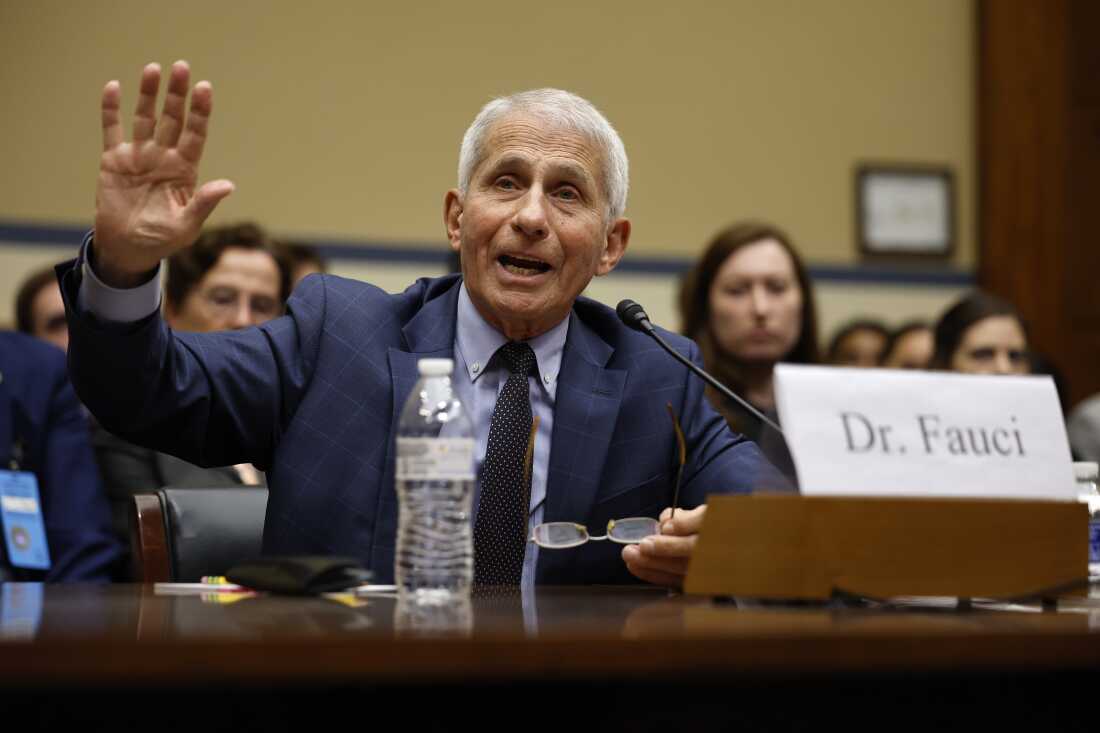
Newly released diary entries from former National Institute of Allergy and Infectious Diseases (NIAID) Director Dr. Anthony Fauci are fueling renewed scrutiny over the government's handling of the COVID-19 pandemic, with critics arguing the writings contradict several of Fauci's public statements during the crisis.
The journals, made public ahead of Fauci's scheduled Senate testimony, reportedly reveal that scientists were discussing the possibility of a laboratory origin for COVID-19 as early as January 2020. According to the entries, Fauci acknowledged privately that a lab leak was considered a likely explanation by some scientists, even as the theory was later publicly dismissed as a conspiracy by many officials and media outlets.
Additional diary entries indicate Fauci privately questioned the virus's fatality rate while presenting a more alarming message to the public, prompting critics to accuse him of misleading Americans during one of the most consequential public health emergencies in modern history.
The journals also paint a picture of a public official deeply focused on media coverage and public perception. According to Breitbart, Fauci documented conversations with prominent political figures, including former President Barack Obama, while expressing concern about criticism directed at him as the pandemic unfolded.
The diary release has intensified calls from congressional Republicans for greater accountability regarding pandemic-era decision-making. Lawmakers are expected to question Fauci about discrepancies between his private writings and prior congressional testimony, as well as his role in shaping the government's response to COVID-19.
The revelations arrive amid broader investigations into the origins of COVID-19, federal funding for coronavirus research, and the transparency of public health officials during the pandemic. Supporters of additional oversight argue the newly released journals underscore the need for a full accounting of the decisions that affected millions of Americans and reshaped the nation's economy, education system, and healthcare policy.