


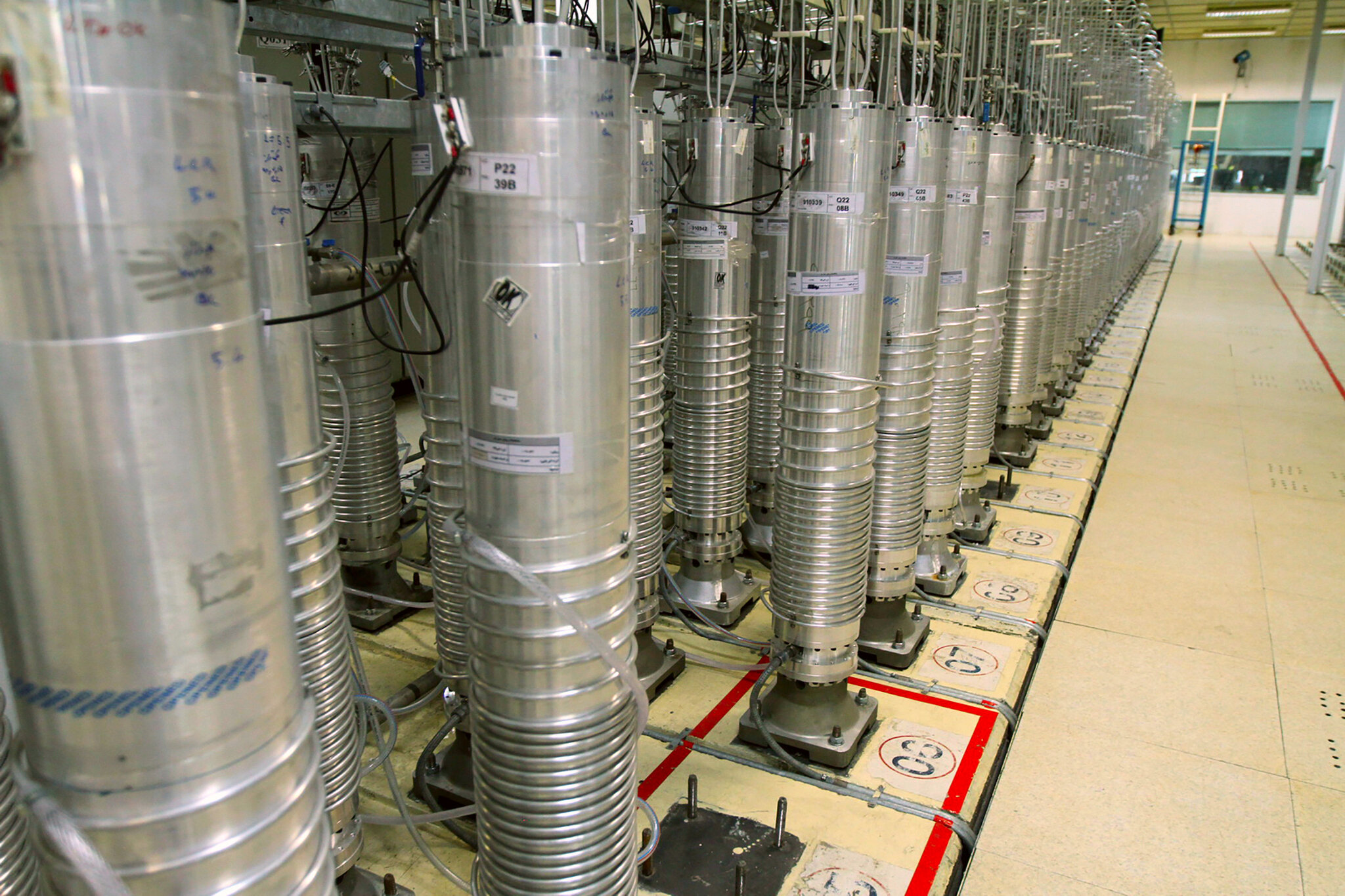
The International Atomic Energy Agency (IAEA) has passed a U.S.-backed resolution demanding that Iran disclose the whereabouts of its enriched uranium stockpile and grant inspectors immediate access to verify its nuclear materials.
The measure, approved by the agency’s 35-member Board of Governors, comes amid growing concern over Tehran’s refusal to cooperate fully with international inspectors. The resolution passed with support from the United States, Britain, France, and Germany, while Russia, China, and Niger opposed the measure.
According to the IAEA, inspectors have been unable to account for hundreds of kilograms of uranium enriched to near weapons-grade levels. The agency is also seeking renewed access to facilities that have remained off-limits following regional military strikes and escalating tensions in the Middle East.
Iran condemned the resolution as politically motivated and warned that additional pressure could complicate ongoing negotiations with Washington. Iranian officials argue that Western powers are attempting to shift blame onto Tehran while ignoring broader regional instability.
For years, Iran has insisted its nuclear program is intended solely for civilian purposes. Western governments, however, remain concerned that continued uranium enrichment and limited transparency could shorten the path to a nuclear weapon.
The latest action by the U.N. highlights a familiar reality: international agreements are only as effective as the willingness to verify and enforce them. As Iran continues to resist inspections, policymakers face a growing challenge—whether diplomacy alone can prevent a nuclear breakout or whether stronger measures will ultimately be required.
With energy markets, global security, and the balance of power in the Middle East all hanging in the balance, the question remains: whether the international community is prepared to act before the window for prevention closes?