


Iran appears to be deepening its direct involvement in the Red Sea conflict, with new reports indicating that members of the Islamic Revolutionary Guard Corps (IRGC) have flown into Yemen to assist Houthi militants in expanding attacks on one of the world's most important shipping lanes.
According to Reuters, citing multiple regional sources, IRGC personnel recently arrived in Houthi-controlled territory to provide military coordination and operational support as the Iran-backed terrorist group intensifies efforts to disrupt commercial shipping through the Bab el-Mandeb Strait and the Red Sea.
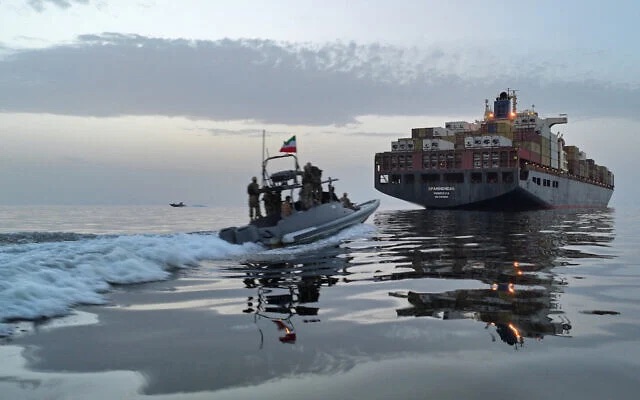
The reported deployment comes after a series of Houthi missile and drone attacks targeting commercial vessels, including Saudi oil tankers. Those attacks have already forced some shipping companies to reroute vessels around Africa, increasing transportation costs, delaying deliveries, and adding upward pressure on global energy prices.
The Red Sea serves as a critical artery for global trade, with a significant percentage of the world's maritime commerce passing through the region. Any prolonged disruption threatens international supply chains, energy markets, and inflation.
For years, Iran has denied directing Houthi military operations, despite mounting evidence of financial, logistical, and weapons support. The latest reports suggest Tehran may now be taking a more active operational role by placing IRGC personnel on the ground to assist with planning and execution.
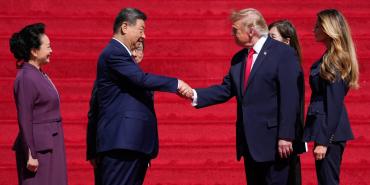
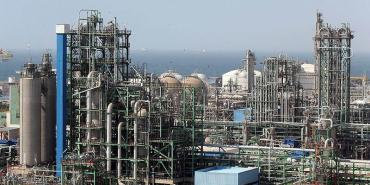
The development also comes as the United States continues an expanding military campaign against Iranian targets following repeated Houthi attacks on shipping. President Donald Trump has warned that Iran will be held responsible for actions carried out by its proxy forces, while U.S. military operations have targeted Iranian command centers, missile infrastructure, and military assets across the region.
Why It Matters
The conflict extends far beyond the Middle East. Disruptions to major shipping routes can drive up fuel prices, increase the cost of imported goods, and place additional strain on already fragile global supply chains. As Iran appears to increase its direct involvement through the IRGC, the risk of a broader regional conflict—and further economic consequences for consumers worldwide—continues to grow.