


Wedgewood Polls admitted this week that it fabricated polling data throughout the 2026 election cycle, raising new questions about the reliability of political polling and the media outlets that rely on it.
Wedgewood Polls, a self-described political polling firm, acknowledged Tuesday that it had fabricated its survey results as part of what it called a “social experiment” designed to expose weaknesses in the modern polling industry.
The firm claimed its goal was to demonstrate how easily a fabricated polling operation could gain credibility, be picked up by polling aggregators, and influence public discussion without sufficient scrutiny.
According to the firm’s statement, Wedgewood wanted to test “how easy is it for an entirely fabricated polling firm to gain traction, be taken seriously, and expose how little scrutiny exists in the media and public commentary.” Its conclusion: “Far too easy.”
Wedgewood reportedly released at least 18 polls during the 2026 election cycle. Its numbers were incorporated into polling databases and cited by major political and media organizations, including the New York Times and other polling aggregators.
Fake Poll May Have Changed Michigan Senate Race
The consequences went beyond online political chatter.
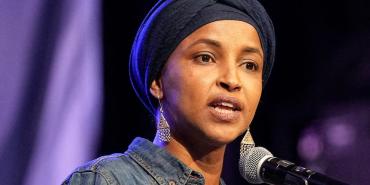
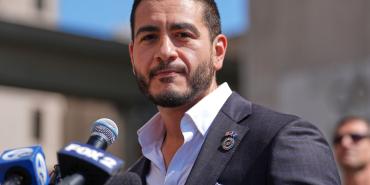
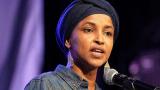
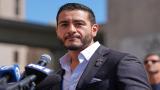
One of the most significant examples involved Michigan's Democratic Senate primary. Wedgewood published a poll showing state Sen. Mallory McMorrow falling to just 9 percent in a three-way contest against Abdul El-Sayed and Haley Stevens.
McMorrow subsequently dropped out of the race.
After Wedgewood acknowledged that its data had been fabricated, McMorrow criticized the firm for treating a serious political contest as an experiment.
She said the poll caused donations to dry up, devastated volunteers, and prompted reporters to pressure her to leave the race.
“Polling is broken,” McMorrow said, while arguing that real candidates, donors, and volunteers had been forced to bear the consequences of fabricated information.
The fallout from Wedgewood's polling reportedly extended across multiple states, including Georgia, Iowa, Kansas, Maine, Mississippi, Nebraska, Ohio, Texas, and Michigan.
How Was the Fake Data Accepted?
The scandal was uncovered by FiftyPlusOne, which began investigating Wedgewood after noticing unusual characteristics in raw polling data supplied by the firm.
Researchers compared Wedgewood's purported Pollfish data with independently collected Pollfish surveys and found major discrepancies in respondent identification numbers and transaction IDs.
For example, researchers found that Wedgewood's respondent IDs did not match the patterns found in legitimate Pollfish data. Its transaction identifiers also showed patterns inconsistent with genuine survey data.
After FiftyPlusOne contacted Wedgewood seeking an explanation, the firm responded publicly by acknowledging that its data had been fabricated. FiftyPlusOne subsequently removed Wedgewood's surveys from its polling database and averages.
A Growing Problem for Election Polling
The Wedgewood scandal is not an isolated incident.
Another purported polling organization, Median Strategies, was previously accused of fabricating election surveys while making a similar argument that the operation was designed as a “social experiment” to expose weaknesses in political polling.
The incidents highlight a fundamental vulnerability in the modern polling ecosystem: polling organizations and media outlets often have to trust that the data they receive is legitimate.
The rise of artificial intelligence and inexpensive digital publishing tools may make that problem even more difficult. Researchers noted that AI-powered tools can make it easier to create professional-looking websites, polling reports, spreadsheets, and other materials that appear legitimate without necessarily being backed by legitimate research.
That means the question facing voters isn't simply whether a poll says one candidate is ahead of another.
It is also who conducted the poll, how the data was collected, whether the methodology can be independently verified, and whether the organization behind the numbers has actually earned credibility.
As the 2026 midterm elections approach, the Wedgewood scandal serves as a major warning: a polling number can look authoritative without actually being real.
For voters, campaigns, journalists, and polling aggregators, the incident raises a much bigger question—how many political narratives are being shaped by numbers that have never been properly verified?