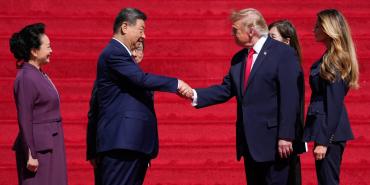



China is sending an unusually direct message to one of its closest strategic partners: honor the peace agreement with the United States and restore stability in the Strait of Hormuz.
According to reports, Beijing has urged Tehran to fully implement the U.S.-brokered peace framework and reopen commercial shipping through the vital waterway, signaling growing frustration as ongoing disruptions threaten China's economic interests and global energy markets.
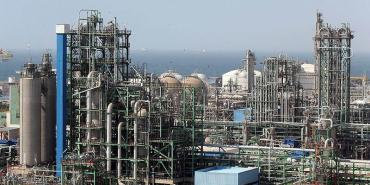
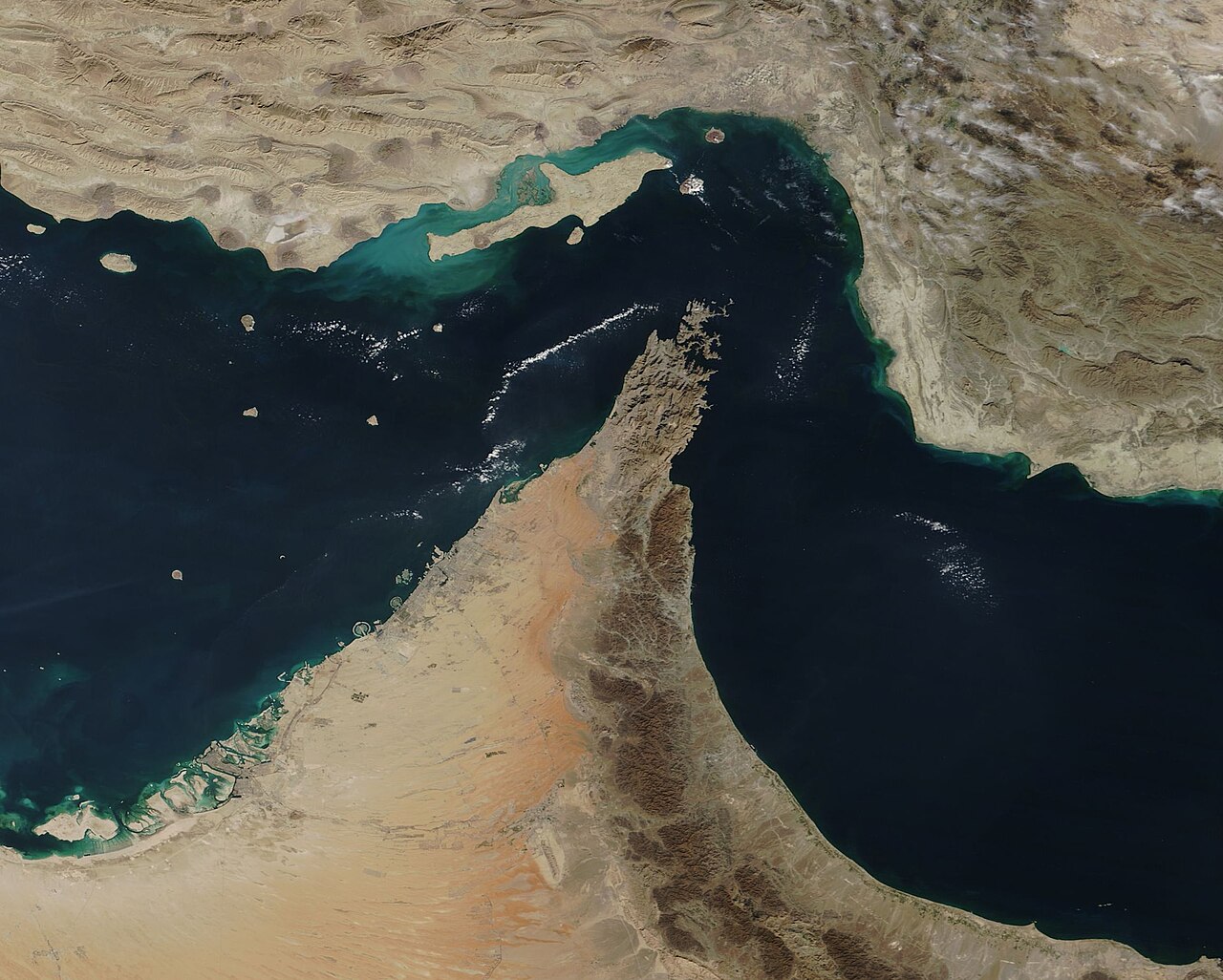
The Strait of Hormuz remains one of the world's most critical maritime chokepoints, with a significant share of global oil exports passing through the narrow passage. Continued uncertainty has fueled concerns over energy prices, supply chain disruptions, and broader economic instability.
China has maintained diplomatic support for Iran throughout the regional conflict while simultaneously pushing for the restoration of commercial shipping. As the world's largest importer of crude oil, Beijing has a vested interest in keeping the Strait open and avoiding prolonged instability that could disrupt energy supplies and increase costs for its economy.
The public pressure from Beijing marks a notable shift. Rather than simply criticizing U.S. actions or calling for negotiations, Chinese officials are now placing responsibility on Tehran to uphold its commitments under the peace agreement—a sign that economic priorities may be outweighing political solidarity.
For the United States, the episode underscores the strategic importance of the Strait of Hormuz beyond military considerations. Control of key maritime trade routes remains a central pillar of economic security, influencing global energy markets, inflation, and international commerce. Even America's geopolitical competitors depend on the uninterrupted flow of oil through the region.
As tensions persist, China's message highlights a broader reality of economic warfare: nations may compete politically, but they remain deeply interconnected through global trade and energy infrastructure. When critical chokepoints become unstable, even strategic partners can find themselves at odds over the costs of disruption.