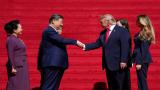



President Donald Trump is expected to hold a bilateral meeting this week with Syrian President Ahmed al-Sharaa during the NATO Summit in Ankara, marking another significant development in the rapidly changing geopolitical landscape of the Middle East.
The White House confirmed the meeting, which comes as Syria seeks to reestablish diplomatic ties following the collapse of Bashar al-Assad's regime and the rise of al-Sharaa's transitional government. The meeting is expected to be one of several high-profile discussions Trump will hold on the sidelines of the summit, including talks with Ukrainian President Volodymyr Zelensky.
Turkey, which is hosting this year's NATO Summit, reportedly invited Syria to participate alongside several Middle Eastern partners as leaders discuss ongoing regional conflicts, including tensions with Iran, instability in Lebanon, the war in Gaza, and maritime security in the Strait of Hormuz. The summit reflects a growing recognition that Middle Eastern security challenges increasingly intersect with NATO's broader strategic interests.
The planned meeting is particularly notable given al-Sharaa's past as the leader of Hayat Tahrir al-Sham (HTS), an Islamist faction that ultimately overthrew the Assad government. Since assuming Syria's presidency, al-Sharaa has sought greater international legitimacy while rebuilding relations with regional and Western governments.
According to administration officials, discussions at the summit are also expected to include protecting global shipping lanes through the Strait of Hormuz, one of the world's most strategically important energy chokepoints. Continued disruptions in the region have heightened concerns over oil markets, global supply chains, and international trade—issues that remain central to long-term economic security.
For the United States, the meeting underscores a broader effort to reshape diplomatic relationships in the Middle East following years of regional upheaval. Whether the talks produce concrete policy changes remains to be seen, but the symbolism is significant: a former U.S. adversary now sitting across the table from an American president as Washington recalibrates its strategy in one of the world's most volatile regions.
As the summit unfolds, investors and policymakers alike will be watching for any agreements or policy signals that could affect regional stability, energy markets, defense cooperation, and the global economy.