


From Ceuta to Madrid, Spaniards are taking to the streets—and sending Sánchez a message he can no longer ignore.
Spain is facing a growing political backlash over its immigration and border policies, with massive demonstrations erupting across the country Wednesday.
From Madrid and Barcelona to Málaga, Valencia and Seville, protesters rallied in more than 300 cities in a nationwide show of support for Ceuta and its residents.
The message was blunt: Spain's borders matter, and Spaniards are demanding that their government start acting like it.
The demonstrations came as tensions continue to build in Ceuta, the Spanish territory on Africa's northern coast that has become ground zero in Europe's wider migration crisis.
Ceuta Becomes the Flashpoint
Ceuta has long been one of Europe's most exposed borders. Its strategic position makes it a gateway between North Africa and the European Union—and a pressure point whenever migration surges.
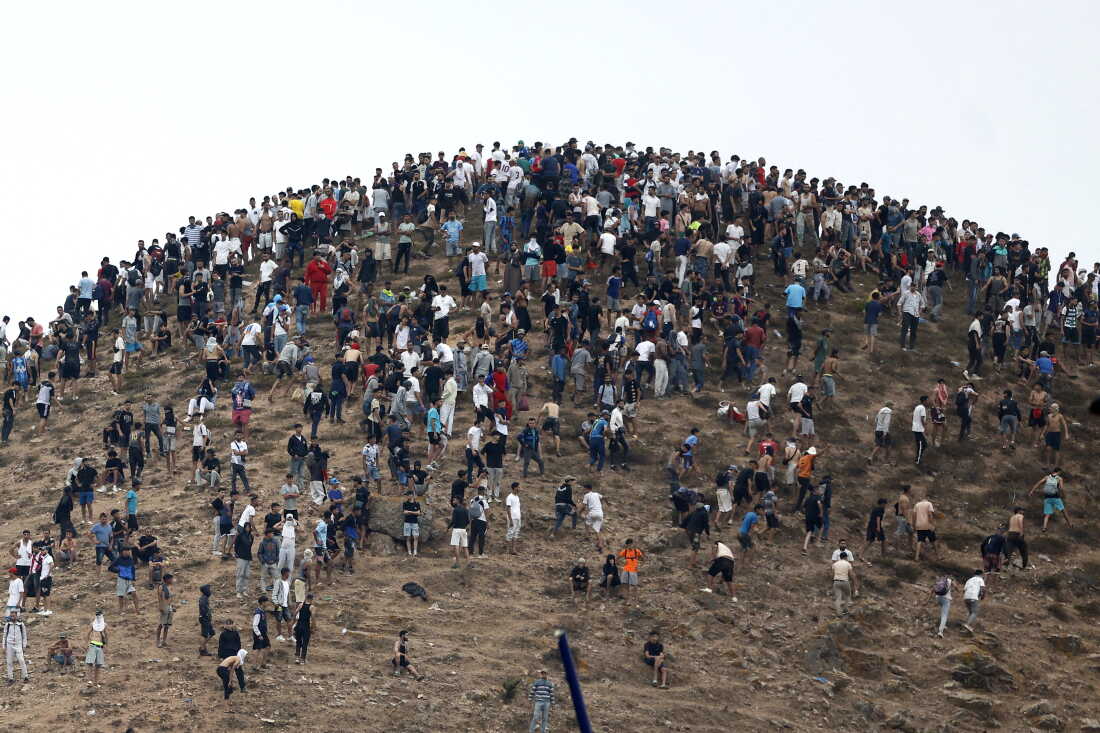
That pressure has intensified following a mass migrant crossing from Morocco in July.
Thousands of migrants reportedly remained in the territory afterward, prompting residents to demand that Madrid restore order and address the growing strain on the community.
More than 30,000 people reportedly turned out for a demonstration in Ceuta Wednesday.
But the anger didn't stay in Ceuta.
It spread across Spain.
The Economic Cost of Open Borders
Behind the political slogans is a growing argument about economics.
Mass migration isn't simply a question of who crosses a border. It also raises questions about who pays for housing, healthcare, education, social services and public infrastructure—and whether governments are prepared for the long-term costs.
When local communities experience rapid population growth without matching infrastructure and resources, taxpayers ultimately absorb the consequences.
That is why the Ceuta crisis has become larger than a debate about immigration policy.
It is increasingly a debate over who controls national resources, who sets the rules and whose interests government is supposed to protect.
For Spain's opposition, that distinction is becoming central to the political fight.
Sánchez Under Pressure
Prime Minister Pedro Sánchez and his Socialist government are facing mounting criticism as immigration moves higher on the national political agenda.
Vox leader Santiago Abascal joined protesters in Madrid, warning that what is happening in Ceuta could become a warning for the rest of Spain if the government fails to secure its borders.
People's Party leader Alberto Núñez Feijóo also backed the demonstrations, arguing that Spaniards were standing up for their borders and fellow citizens.
The political significance is difficult to miss.
Immigration is no longer a peripheral issue in Spain. It is becoming intertwined with questions of national sovereignty, public spending, security and the government's fundamental responsibility to its own citizens.
Tensions Spill Into the Streets
Most of Wednesday's demonstrations were reported to be peaceful.
But tensions boiled over in Madrid near Spain's Congress of Deputies.
Police reportedly deployed tear gas and rubber pellets as clashes erupted. Four people were reportedly detained, including two minors, while four police officers were reported injured.
The confrontations underscore just how combustible the immigration debate has become.
And the controversy isn't limited to Spain's domestic politics.
Reports that Spanish National Police accused Moroccan agents of coordinating aspects of the July events have added another layer to the dispute—particularly given previous statements from Sánchez concerning Morocco's role.
A Warning for Europe
What is happening in Spain is part of a much larger European story.
Across the continent, voters are increasingly questioning whether governments can maintain open migration policies while preserving affordable housing, functioning public services, secure borders and social cohesion.
Ceuta is simply where those pressures are colliding most visibly.
Wednesday's demonstrations delivered a clear political message to Madrid:
Borders have consequences. Migration has costs. And governments that ignore the concerns of their own citizens eventually face a political reckoning.
For Sánchez, the question now isn't whether the immigration issue will shape Spanish politics.
It's how much bigger it becomes before the next election.