


Iran's leadership is pushing back against reports of internal divisions, insisting that its military and civilian authorities are operating in complete coordination as the conflict with the United States continues to intensify.
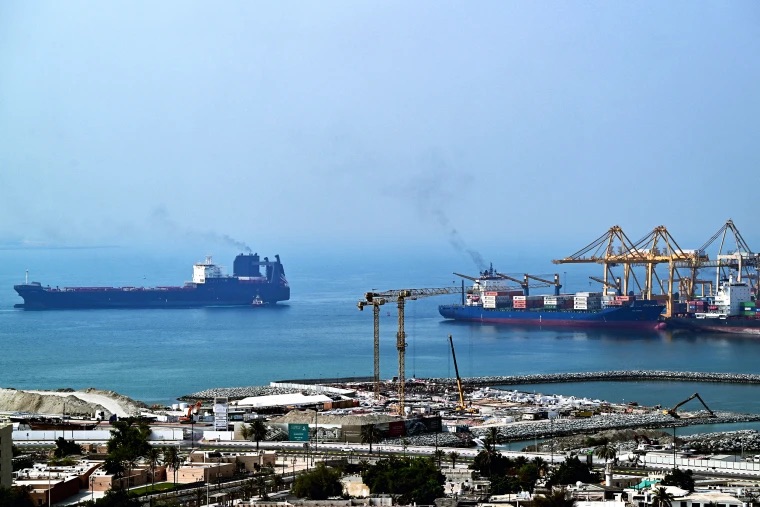
Iranian Deputy Foreign Minister Kazem Gharibabadi stated this week that the country's government and armed forces are acting in "full coordination during wartime," seeking to dispel speculation that elements of the Islamic Revolutionary Guard Corps (IRGC) have acted independently of Tehran's civilian leadership. The remarks come after reports suggested the IRGC may have contributed to the collapse of a ceasefire by targeting civilian shipping in the Strait of Hormuz without centralized approval.
Whether the regime is projecting unity or attempting to reassure both domestic and international audiences, the messaging highlights an important reality: command and control within authoritarian governments becomes increasingly critical during prolonged conflict.
For global markets, that distinction matters.
If Iran's military actions are centrally directed, investors and policymakers must assume the regime is deliberately escalating regional tensions. If military factions are operating with greater autonomy, the risk of miscalculation—and a broader regional conflict—rises significantly. Either scenario increases uncertainty for global energy markets and international shipping through one of the world's most strategically important maritime corridors.
The statement also follows continued U.S. military operations targeting Iranian missile and coastal defense capabilities, underscoring that Washington remains focused on degrading Tehran's ability to threaten commercial shipping and allied forces in the region.
For Economic War Room readers, the story extends beyond military strategy. The Strait of Hormuz remains one of the world's most vital energy chokepoints, carrying a substantial share of global oil exports. Any indication that Iran's leadership is coordinating further military actions—or struggling to control them—has direct implications for energy prices, inflation, global supply chains, and financial markets.
As the conflict evolves, Tehran's insistence on a unified wartime command may be intended to project strength. But it also underscores how closely the world is watching for signs of instability inside one of America's most significant geopolitical adversaries.