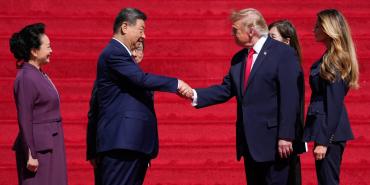



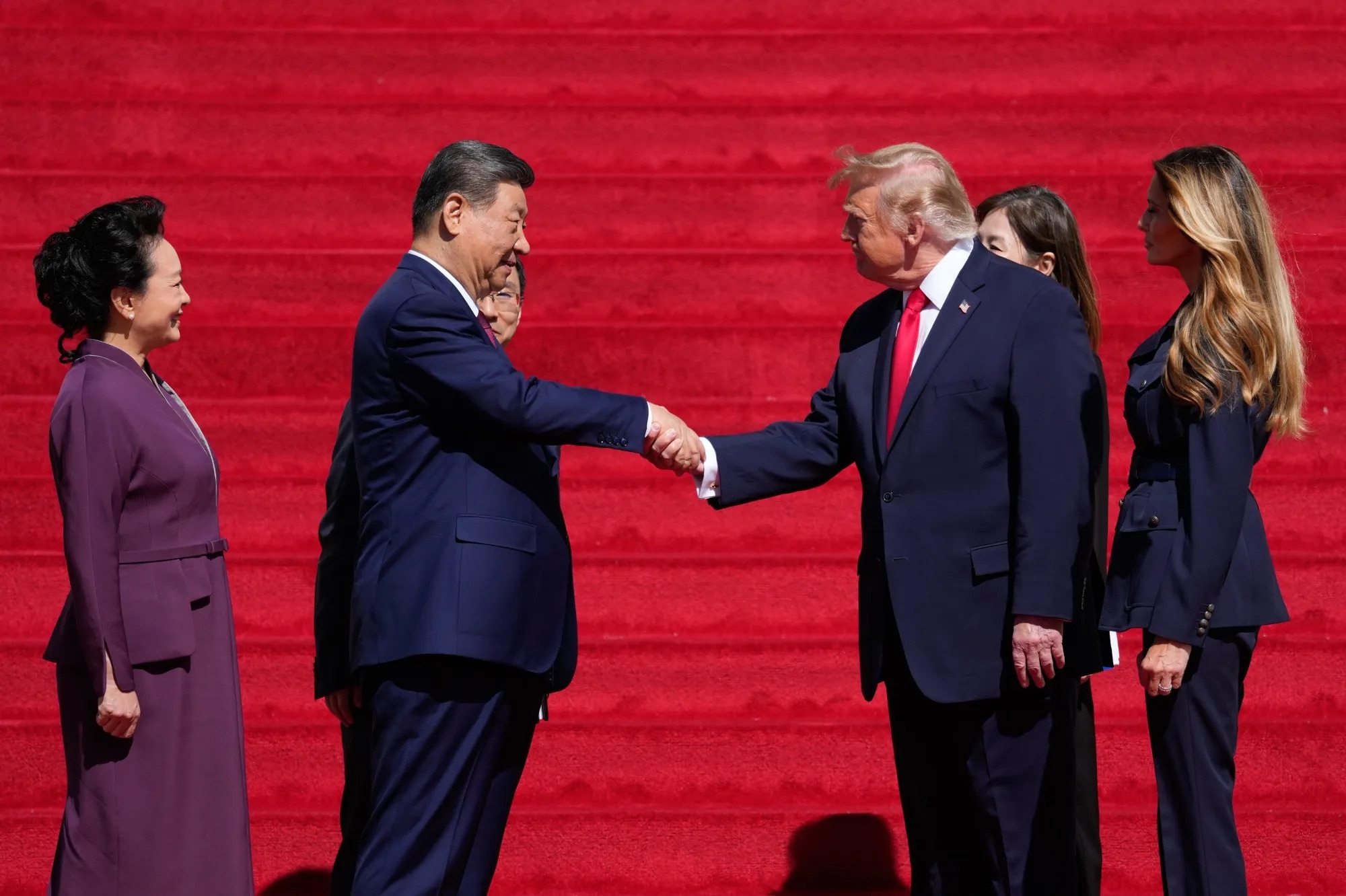
The latest meeting between President Donald Trump and Chinese President Xi Jinping has produced a series of new economic agreements aimed at easing trade tensions between the United States and China.
Following the summit, the two countries agreed on recommendations for more favorable tariff treatment covering approximately $30 billion in non-sensitive goods in each direction. The agreement covers a range of American agricultural and industrial exports, while the United States will reduce tariffs on select Chinese consumer products.
For U.S. exporters, the covered products include agricultural goods, fish and seafood, logs and wood products, cosmetics, and medical devices. Chinese products receiving more favorable treatment include items such as small appliances, toys, holiday decorations, and children's car seats.
China Commits to U.S. Coal
One of the most significant elements of the agreement involves America's energy sector.
China has agreed to import at least 10 million metric tons of U.S. coal in 2027 and another 10 million metric tons in 2028. China was previously among the largest buyers of American coal before sharply reducing purchases during the U.S.-China trade dispute.
The commitment provides a major potential market for American coal producers while incorporating energy exports into the broader trade negotiations.
Trade Tensions Begin to Ease
The agreements come after years of escalating economic tensions between Washington and Beijing. The latest negotiations also address ongoing American concerns surrounding rare earths and other critical minerals, with both sides continuing discussions aimed at restoring more reliable shipments.
On September 28, China’s Ministry of Commerce said the two countries had finalized reciprocal tariff-reduction lists covering roughly $30 billion worth of goods on each side. The ministry said tariffs on approximately 90 percent of the covered products will be reduced to most-favored-nation levels once domestic legal procedures are completed.
The two governments have also established a U.S.-China Board of Investment to provide a formal channel for discussing investment opportunities and barriers between the two economies.
The agreements represent a new phase in the economic relationship between the world's two largest economies, with trade, energy, critical minerals, and investment all becoming part of a broader effort to manage economic tensions.
The question now is whether these commitments translate into sustained trade and investment between the United States and China — and what that could mean for American workers, producers, consumers, and the nation's economic security.