


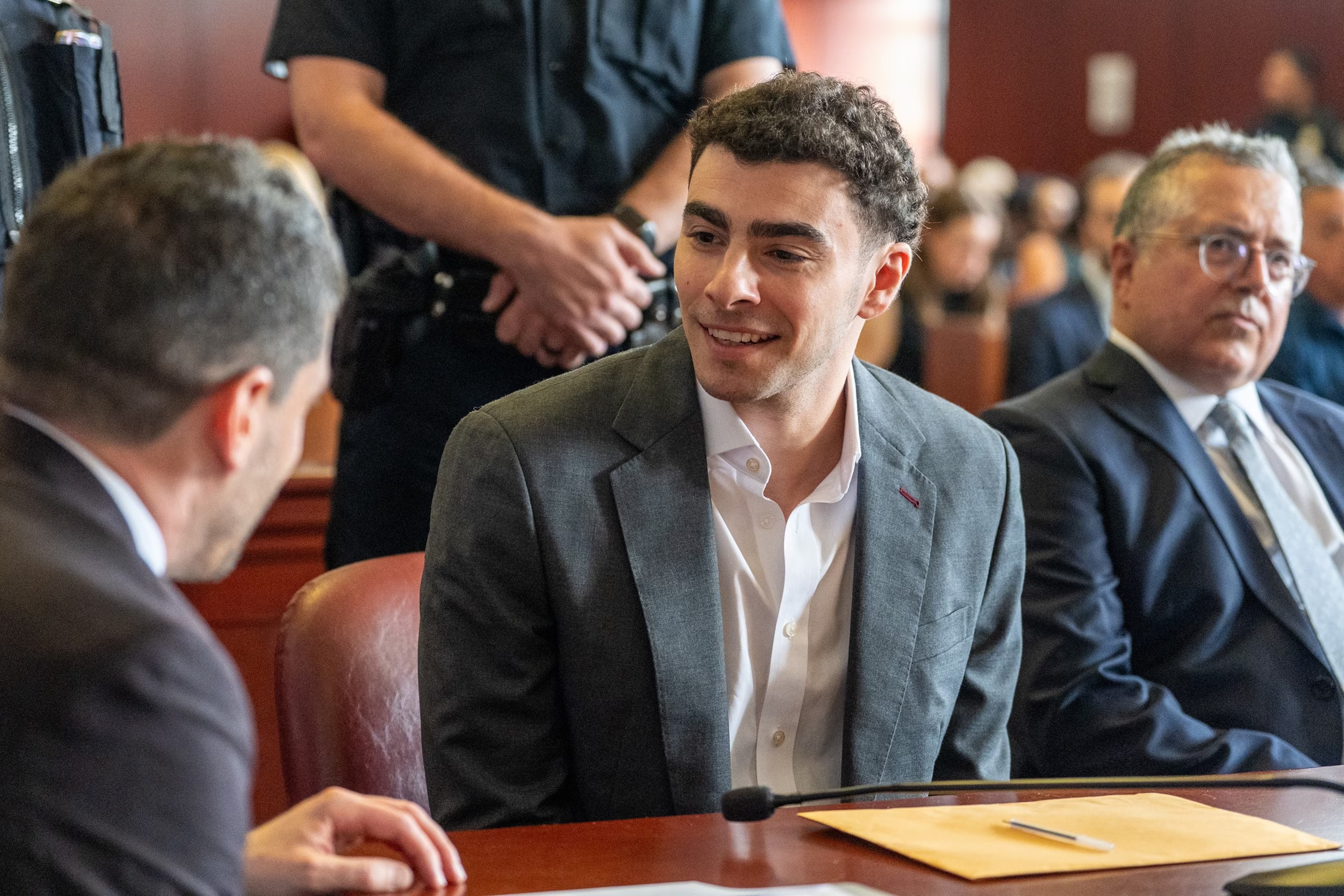
Luigi Mangione has pleaded guilty in federal court to two stalking charges connected to the December 2024 assassination of UnitedHealthcare CEO Brian Thompson, bringing a major development to one of the most politically charged criminal cases in recent years.
During Friday’s hearing in Manhattan federal court, Mangione admitted that he stalked Thompson and ultimately shot him as the executive traveled to an investor conference. He acknowledged that he knew his actions were illegal and that they could result in serious harm or death.
The guilty plea represents a dramatic reversal from Mangione’s previous position in the case. Federal prosecutors had charged him with stalking offenses after alleging that he traveled across state lines and used interstate communications to target Thompson.
Mangione’s case has attracted intense national attention, in part because some online activists attempted to portray him as a symbol of anger toward the American health insurance industry. His own statements have focused heavily on his frustrations with the healthcare system following personal medical difficulties.
But prosecutors have emphasized a fundamental distinction: grievances against an industry or government policy do not provide justification for deliberately targeting and killing an individual.
Federal Case Could Affect State Murder Trial
Mangione's guilty plea also creates a significant legal battle over the separate New York state murder case.
His attorneys have moved to dismiss the state prosecution, arguing that continuing to prosecute him for Thompson’s death after his federal guilty plea would violate constitutional protections against double jeopardy.
New York prosecutors are expected to fight that effort and maintain that the state case involves distinct legal charges and elements.
The federal government is seeking a sentence of life imprisonment. Mangione is scheduled to be sentenced on December 18, 2026.
The Bigger Warning
The Mangione case has become about more than one murder. It has exposed a troubling cultural phenomenon in which political and economic frustrations can become so intense that violence is rationalized—and in some corners, even celebrated.
Whatever one's opinion of the American healthcare system, there is no legitimate political or economic grievance that makes assassination acceptable.
A society that begins treating murder as activism has crossed a dangerous line. The guilty plea may bring one chapter of the Mangione case closer to an end, but the broader debate over political violence, online radicalization, and the growing willingness to justify violence in the name of a cause is far from over.